
The Importance of Digital Literacy in Primary Education

The Importance of Digital Literacy in Primary Education
By Nobel Public School
In today’s world, technology touches every part of our lives — from learning and communication to creativity and exploration. At Nobel Public School, we believe that digital literacy is not just an extra skill anymore; it’s an essential part of education that prepares children for the future.
What Is Digital Literacy?
Digital literacy means much more than knowing how to use a computer or tablet. It’s about understanding how to use technology wisely, safely, and creatively. For young learners, this includes:
- • Learning to type, search, and use digital tools for projects.
- • Understanding how to find reliable information online.
- • Practicing safety and responsibility when using digital platforms.
Why Start Early?
Primary school is the perfect stage to introduce digital learning. At this age, children are curious and eager to explore. When guided properly, technology becomes a powerful tool to:
- • Enhance learning through interactive lessons, videos, and games.
- • Encourage creativity by letting students make presentations, digital art, or stories.
- • Build confidence as they learn to use technology independently.
Building Skills for the Future
As the world becomes increasingly digital, students need to be ready for future challenges. By developing digital literacy from an early age, children learn critical skills like:
- • Problem-solving and critical thinking
- • Communication and collaboration through digital platforms
- • Adaptability to new tools and technologies
Safe and Smart Digital Citizens
At Nobel Public School, we also focus on teaching students how to be responsible digital citizens. Our programs emphasize:
- • Online safety and privacy
- • Understanding digital footprints
This helps students use technology positively and respectfully — both in school and beyond.
Our Commitment at Nobel Public School
We integrate digital tools into everyday lessons, making learning more interactive and fun. Whether it’s using smart boards, educational apps, or computer-based activities, our goal is to help every child become confident, creative, and responsible in the digital world.
In Conclusion
Digital literacy in primary education is the foundation for lifelong learning. By nurturing these skills early, Nobel Public School ensures that our students are not just consumers of technology — but creators, thinkers, and innovators of tomorrow.
The Importance of Digital Literacy in Primary Education
In today’s world, technology touches every part of our lives — from learning and communication to creativity and exploration. At Nobel Public School, we believe that digital literacy is not just an extra skill anymore; it’s an essential part of education that prepares children for the future.
Read More
Building a Happy Mind: Mindfulness for Young Learners
In today’s world, technology touches every part of our lives — from learning and communication to creativity and exploration. At Nobel Public School, we believe that digital literacy is not just an extra skill anymore; it’s an essential part of education that prepares children for the future.
Read More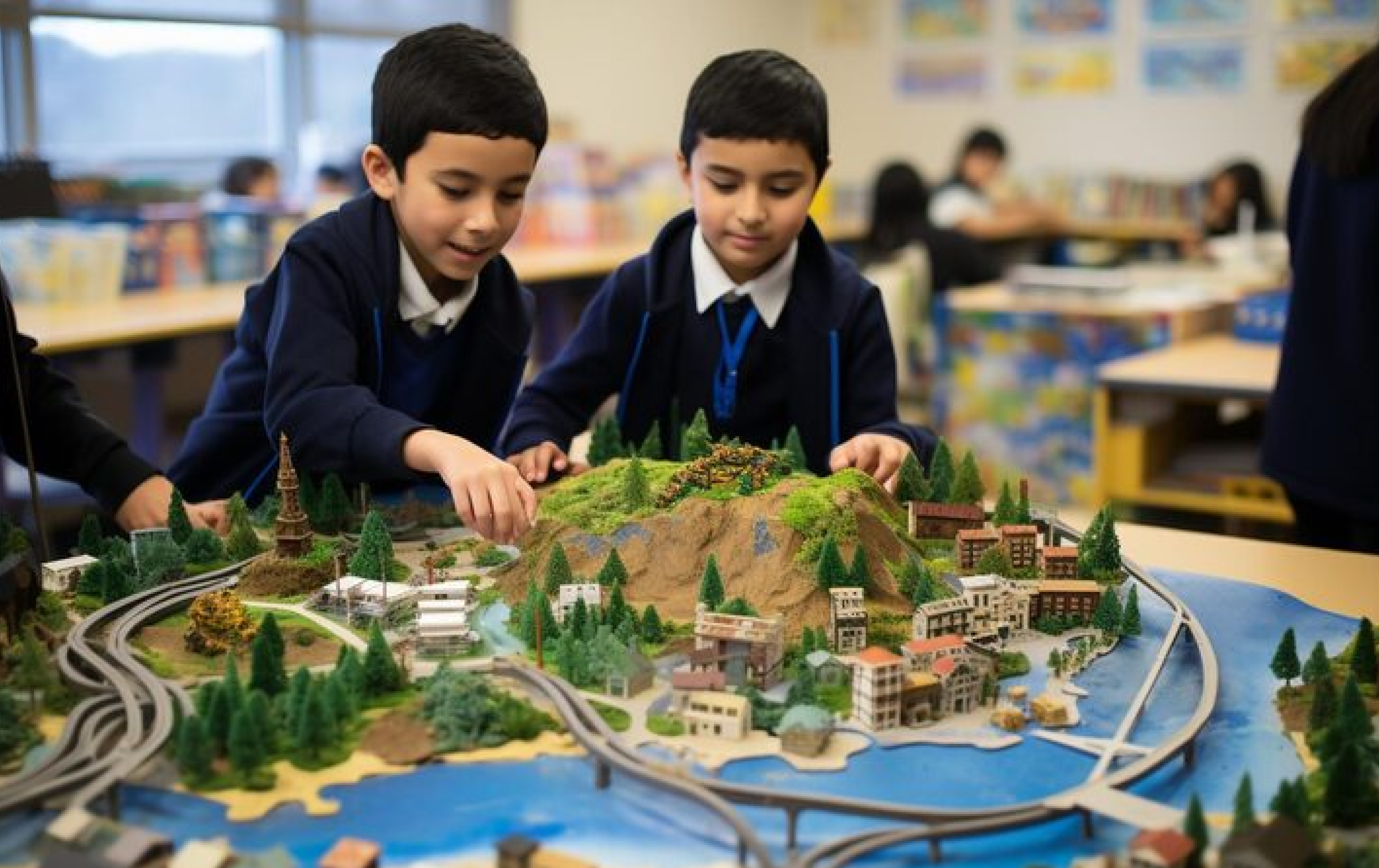
From Knowledge to Action: Preparing Students with Real-World Skills
In today’s world, technology touches every part of our lives — from learning and communication to creativity and exploration. At Nobel Public School, we believe that digital literacy is not just an extra skill anymore; it’s an essential part of education that prepares children for the future.
Read More Noble Public School
 Noble Public School We believe that early years will set the course for your child's future education. Hence we have introduced "Cherry Kids" an entirely new pre-primary wing, which will especially cater to your little ones.
- Performing Arts Classes
- Sports Facilities in School
- Children With Skating Class
- Instrumental Class
- Judo Class
© Copyright 2024, All Rights Reserved By Noble Public School, Gajraula | Design & Developed By Accevate Technologies