
Building a Happy Mind: Mindfulness for Young Learners
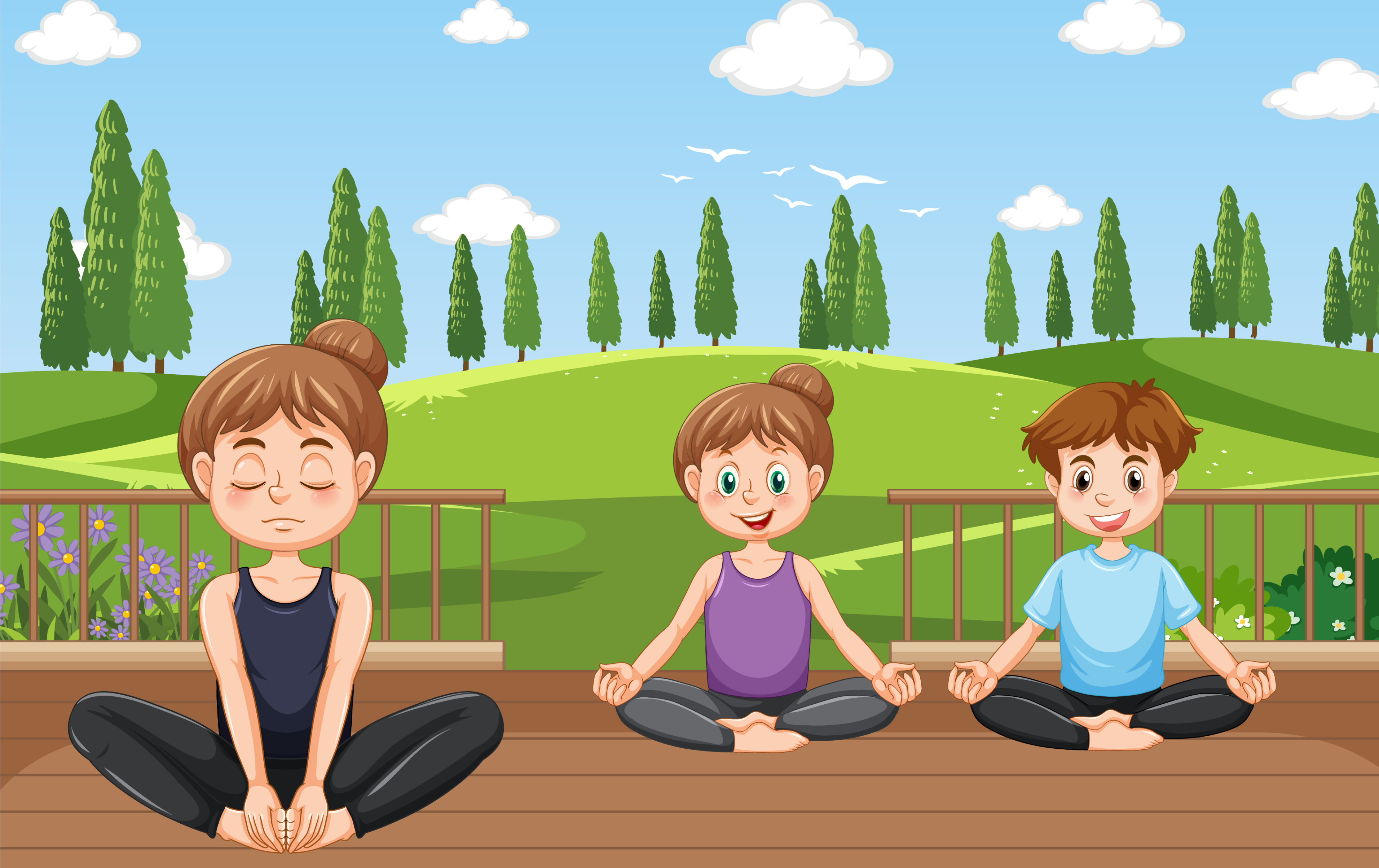
Building a Happy Mind: Mindfulness for Young Learners
By Nobel Public School
In today’s fast-paced world, even our youngest learners experience moments of stress, restlessness, or worry. That’s why at Nobel Public School, we believe that nurturing a happy and calm mind is just as important as academic learning. One of the most effective ways to do this is through mindfulness — a simple practice that helps children slow down, focus, and connect with the present moment
What Is Mindfulness?
Mindfulness means paying attention — to our thoughts, feelings, and surroundings — with kindness and without judgment.
For young children, mindfulness can be as simple as:
- • Taking a deep breath before starting a new activity.
- • Listening carefully to sounds around them.
- • Focusing on how they feel during a story or song.
These small moments of awareness help children feel calmer and more in control of their emotions.
Why Mindfulness Matters in Early Education
Research shows that mindfulness improves focus, emotional balance, and overall happiness in children. For our young learners, it:
- • Enhances concentration and helps them stay attentive in class.
- • Reduces anxiety and restlessness, making learning more enjoyable.
- • Builds empathy and kindness, encouraging positive classroom relationships.
- • Encourages self-awareness, helping children understand their feelings and reactions.
At Nobel Public School, we see mindfulness as a skill for life — one that shapes not just better students, but better human beings.
How We Practice Mindfulness at Nobel Public School
Our teachers gently weave mindfulness into daily routines. Some examples include:
- • Morning calm time: short breathing or gratitude exercises before lessons begin.
- • Mindful listening: paying attention to nature sounds or gentle music.
- • Art and movement activities: expressing feelings through drawing, yoga, or dance.
- • Quiet reflection moments: short pauses to think about what students enjoyed or learned that day.
These practices help children begin each day with focus and end it with peace.
The Lasting Benefits
Mindfulness nurtures emotional strength and helps children handle challenges with a positive outlook. As they grow, these habits build resilience, patience, and confidence — qualities that will guide them throughout their lives.
In Conclusion
At Nobel Public School, we believe education is not just about filling minds, but lighting them with calmness, joy, and awareness. By introducing mindfulness early, we help our students build happy minds and compassionate hearts — ready to face the world with balance and positivity.
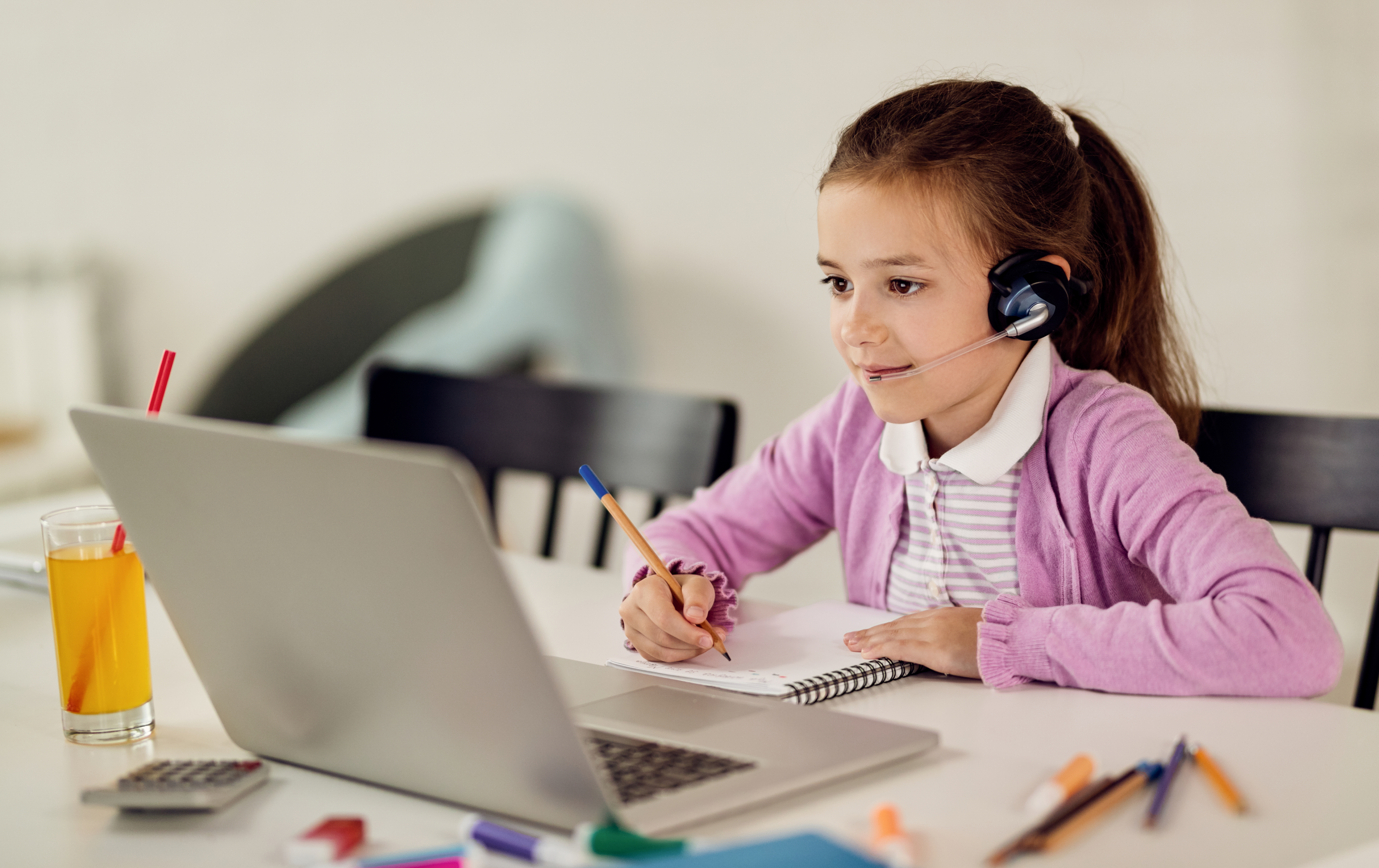
The Importance of Digital Literacy in Primary Education
In today’s world, technology touches every part of our lives — from learning and communication to creativity and exploration. At Nobel Public School, we believe that digital literacy is not just an extra skill anymore; it’s an essential part of education that prepares children for the future.
Read More
Building a Happy Mind: Mindfulness for Young Learners
In today’s world, technology touches every part of our lives — from learning and communication to creativity and exploration. At Nobel Public School, we believe that digital literacy is not just an extra skill anymore; it’s an essential part of education that prepares children for the future.
Read More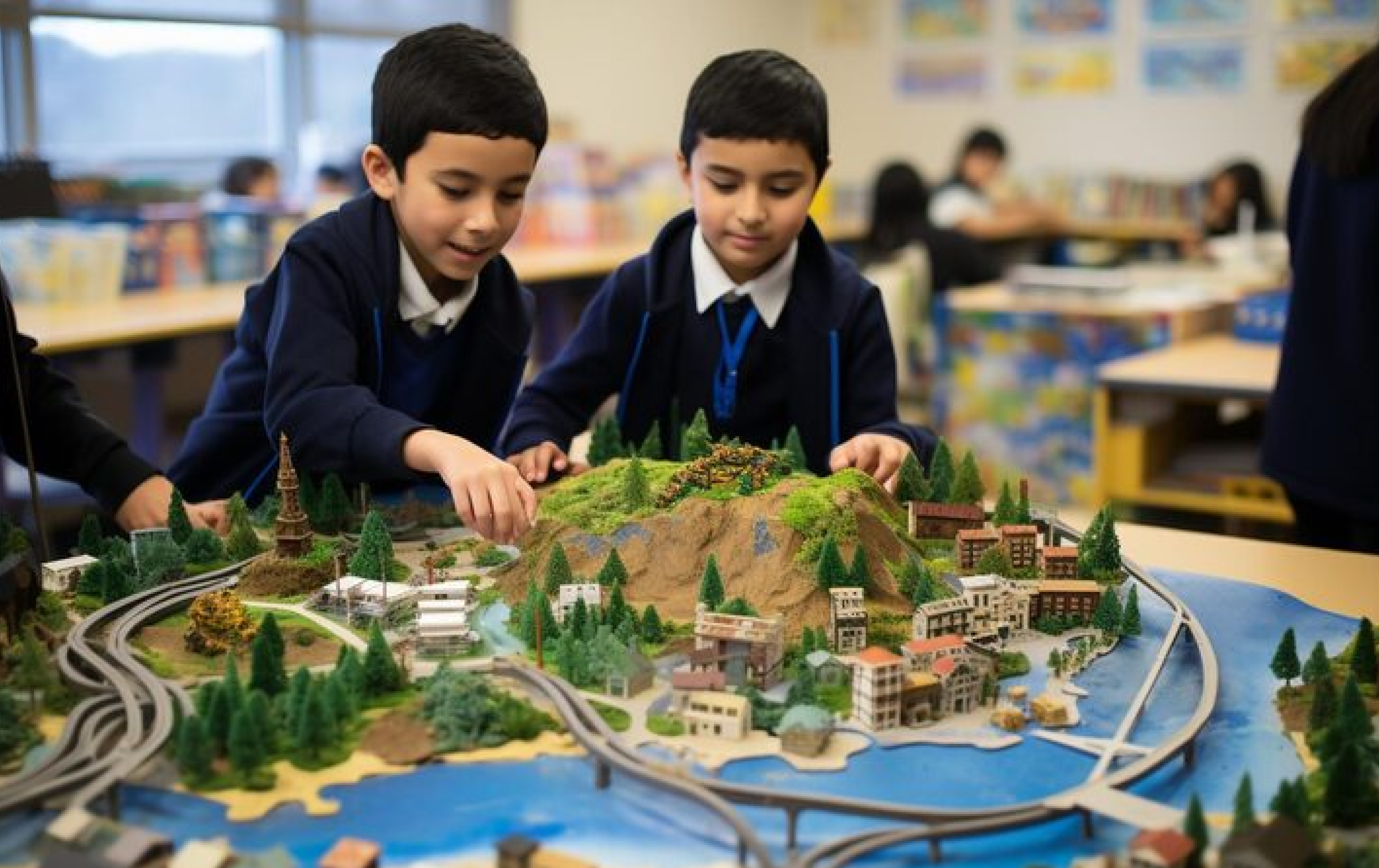
From Knowledge to Action: Preparing Students with Real-World Skills
In today’s world, technology touches every part of our lives — from learning and communication to creativity and exploration. At Nobel Public School, we believe that digital literacy is not just an extra skill anymore; it’s an essential part of education that prepares children for the future.
Read More Noble Public School
 Noble Public School We believe that early years will set the course for your child's future education. Hence we have introduced "Cherry Kids" an entirely new pre-primary wing, which will especially cater to your little ones.
- Performing Arts Classes
- Sports Facilities in School
- Children With Skating Class
- Instrumental Class
- Judo Class
© Copyright 2024, All Rights Reserved By Noble Public School, Gajraula | Design & Developed By Accevate Technologies